
Urban Mobility and Social Exclusion: Global Challenges and Solutions
1 July 2025
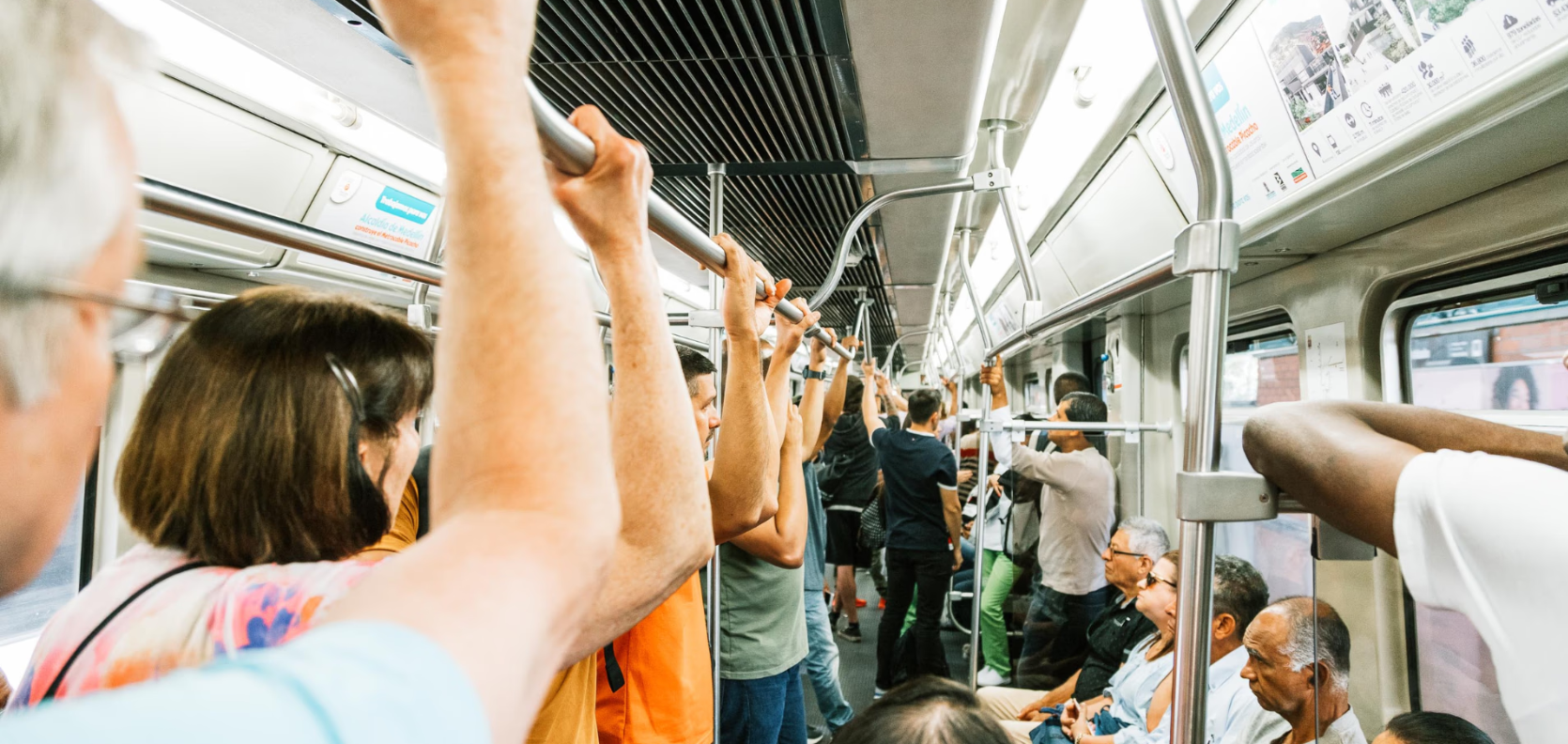
The lack of accessible transportation widens social exclusion in cities around the world. Understand the challenges of urban mobility and the solutions that can be implemented for a more inclusive future.
Urban mobility is a pivotal factor for social inclusion, ensuring access to jobs, education, health care, and leisure. However, in many cities worldwide, populations face difficulties getting around due to inefficient transportation systems, inadequate infrastructure, and high fares.
This article investigates how social exclusion is linked to urban mobility by analyzing challenges and solutions adopted in different countries.
The Connection Between Urban Mobility and Social Exclusion
Social exclusion occurs when certain groups face barriers to accessing critical resources such as transportation, housing, and public services. A limited mobility system restricts social and economic participation, deepening inequalities and reducing opportunities in urban environments.
Factors That Intensify Exclusion in Mobility
-
High Costs: In many countries, transportation fares consume a significant portion of low-income families’ earnings.
-
Poor Infrastructure: Peripheral regions often have fewer public transport options, making daily travel more difficult.
-
Excessive Travel Time: Long commutes reduce productivity and adversely affect quality of life.
-
Safety and Accessibility: Women, older adults, and people with disabilities face additional challenges in moving around with autonomy and security.
Global Experiences in Urban Mobility
Latin America
Brazil – The Impact of BRT in Curitiba and São Paulo
Curitiba was a pioneer in implementing Bus Rapid Transit (BRT), a system of exclusive bus corridors that increased public transportation efficiency.
São Paulo, in turn, expanded its subway network and invested in bike lanes and exclusive bus lanes, benefiting millions of passengers. Despite these advances, high fares still represent an obstacle for many people.
Colombia – The Success of TransMilenio in Bogotá
Inspired by Curitiba’s BRT system, TransMilenio significantly improved public transportation in Colombia’s capital. However, issues such as overcrowding and insufficient expansion remain challenges to be addressed.
Mexico – Cable Cars as a Solution for Peripheral Areas
In Mexico City, the Cablebús was implemented to connect remote neighborhoods to traditional transport networks. Cities like Medellín in Colombia have also adopted this alternative, reducing inequalities and making mobility more accessible.
Europe
France – The “15-Minute City” Concept in Paris
Paris has encouraged an urban model where residents can access work, leisure, and services close to home, reducing the need for long commutes. The city has also expanded bike lanes and restricted car traffic in the center.
Germany – Reducing Public Transport Fares
In 2022, Germany launched a monthly ticket for €9 to encourage public transportation use and reduce car dependency. In 2023, this initiative was replaced by the Deutschlandticket, which allows unlimited travel for €49 per month, making mobility more accessible.
Spain – Sustainable Mobility in Barcelona
The superblock project transformed parts of the city by reducing vehicular traffic and favoring public transportation, bicycles, and walking.
Asia
China – Artificial Intelligence in Transportation Planning
The Chinese government has invested in using artificial intelligence to optimize routes and improve the efficiency of public transport systems. Additionally, cities like Shenzhen already operate entirely electric bus fleets.
India – Subsidies for Public Transportation in New Delhi
In India’s capital, women can travel for free on public buses—a measure to encourage their participation in the labor market. Despite this initiative, infrastructure has yet to expand to meet growing demand.
Japan – Efficiency and Accessibility
Japan is known for the punctuality and efficiency of its transportation systems, including high-speed trains. In recent years, it has also invested in accessibility improvements for older adults and people with disabilities, making public transport more inclusive.
Africa
Kenya – Women and Safety in Public Transportation
In Nairobi, safety concerns prevent many women from using public transport, limiting their economic and social participation. To mitigate the problem, exclusive services for female passengers have been created.
Nigeria – High Transportation Costs in Lagos
Elevated fares force many workers to travel long distances on foot. The government is working to expand the BRT system to offer more affordable alternatives.
South Africa – Informal Transportation and Integration Challenges
Informal transportation systems, such as minibus taxis, are widely used in the country. Although efficient, these vehicles operate without proper regulation, compromising passenger safety.
Paths to More Inclusive Mobility
Intelligent Technologies at the Service of Mobility
-
Using artificial intelligence to optimize traffic flow and reduce congestion.
-
Developing apps that integrate different modes of transport, such as buses, bicycles, and trains.
Public Policies and Subsidies
-
Reducing fares to make public transportation more accessible, especially for vulnerable groups.
-
Growing successful programs such as Germany’s Deutschlandticket.
Infrastructure for Sustainable Modes
-
Expanding bike lanes and encouraging the use of shared bicycles.
-
Electrifying urban bus fleets to reduce pollutant emissions.
Mobility and Gender Equity
-
Establishing safe transportation options for women, including dedicated buses and train cars.
-
Improving lighting and safety at transit stations and bus stops.
Final Thoughts
The right to mobility directly influences social inclusion, access to opportunities, and quality of life. Various countries have implemented innovative strategies to make transportation more accessible, safe, and efficient, but challenges such as high fares, insufficient infrastructure, and gender inequality persist.
To build more inclusive cities, governments, companies, and communities must collaborate to develop effective public policies, invest in infrastructure, and adopt innovative technologies. Only with collective commitment will it be possible to ensure everyone has access to a dignified and efficient transportation system.
References
GENDERED MOBILITY EXCLUSION IN AFRICAN CITIES. Cities Journal, 2023.
MOBILITY POVERTY AND ACCESSIBILITY: ANALYZING PUBLIC TRANSPORT GAPS IN URBAN AREAS. Transportation Research Part A, 2023.
REUTERS. Drive to electrify Latin America's buses picks up speed. April 16, 2024. Available at: https://www.reuters.com/sustainability/climate-energy/drive-electrify-latin-americas-buses-picks-up-speed-2024-04-16/. Accessed March 18, 2025.
THE ROLE OF SMART MOBILITY IN REDUCING SOCIAL EXCLUSION. Journal of Transport Geography, 2024.
UCEM. 15 minute city. [n.d.]. Available at: https://www.ucem.ac.uk/whats-happening/articles/15-minute-city/. Accessed March 18, 2025.
WORLD BANK. Transport: overview. [S.d.]. Available at: https://www.worldbank.org/topic/transport/overview. Accessed March 18, 2025.