
Microplastics Detected in Ovarian Fluid: What Does This Mean for Human Fertility?
21 April 2025
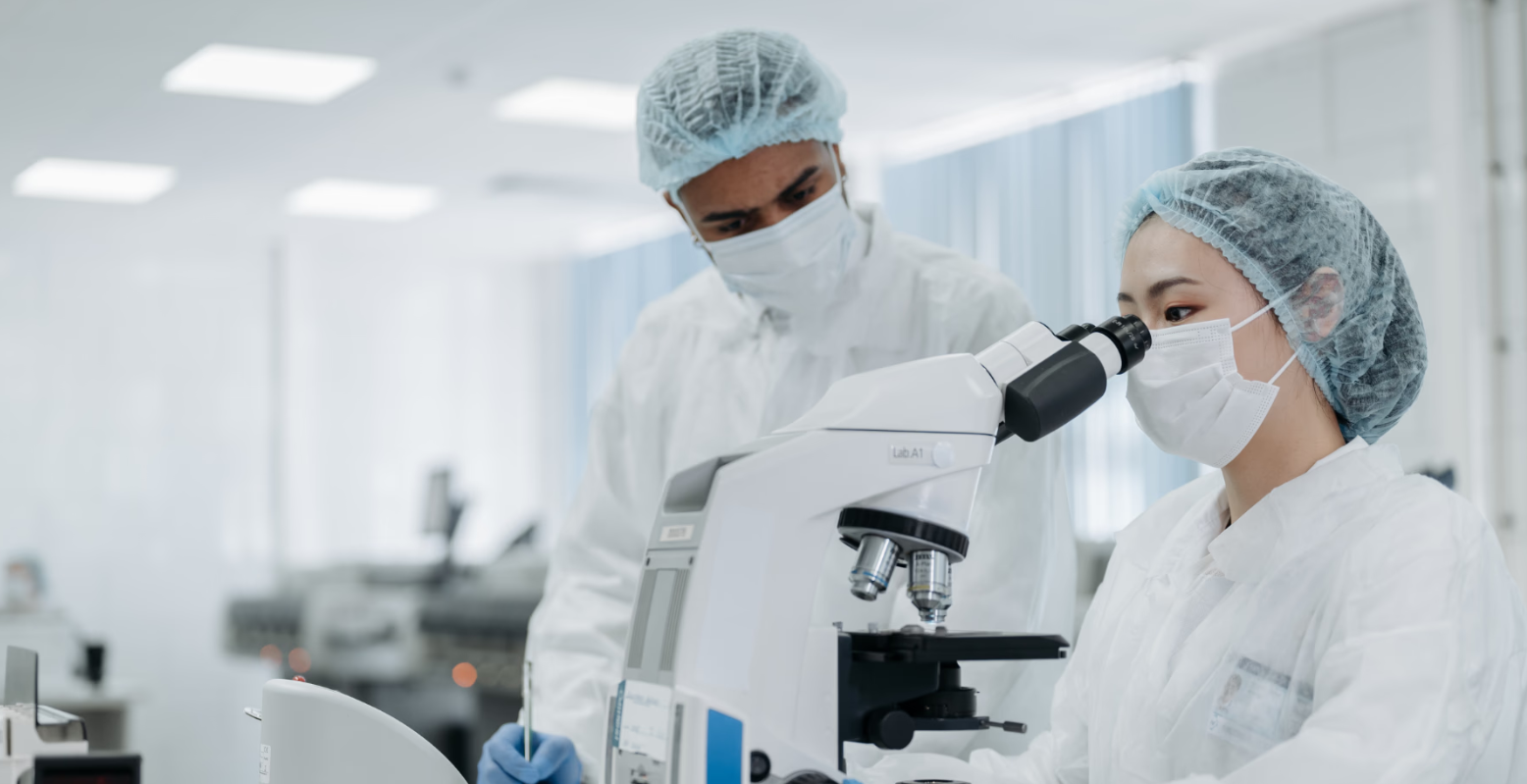
Illustrative image. Credit: Pavel Danilyuk, Pexels via Canva.
For the first time, scientists have identified microplastics in human ovarian follicular fluid. Understand the possible impacts on fertility and how to reduce exposure to these particles.
Italian researchers have made an alarming discovery: for the first time, microplastics have been found in human ovarian follicular fluid. The study, conducted in Salerno with 18 women undergoing fertility treatment, detected these synthetic particles in 14 of the 18 samples analyzed.
This finding marks a milestone in understanding the effects of plastic pollution on female reproductive health.
The Importance of Follicular Fluid
Follicular fluid plays a crucial role in reproduction, surrounding and nourishing the oocytes as they mature. It provides nutrients and biochemical signals that support successful fertilization. Microplastic presence in this delicate environment could impair oocyte quality and compromise fertilization.
Microplastics: Invisible Dangers
These tiny particles—under 5 millimeters in size—can carry up to 16,000 different chemical substances, many of which are harmful to human health. Among the most concerning substances are per- and polyfluoroalkyl substances (PFAS), commonly referred to as “forever chemicals,” along with bisphenols like BPA and phthalates. These compounds have been linked to cancer, neurotoxicity, hormone disruption, and fertility issues.
Moreover, microplastics are small enough to cross biological barriers, including the placenta and the blood-brain barrier.
What We Know So Far
This research is part of a broader project led by Dr. Luigi Montano, who has already identified microplastics in other human samples, such as urine and semen. Animal studies reinforce these concerns: in mice, microplastic exposure damaged ovarian tissue, reduced oocyte quality, and led to ovarian dysfunction.
These findings support the hypothesis that microplastic accumulation in the body may be directly related to reduced fertility.
Expert Perspectives
Professor Xiaozhong Yu of the University of New Mexico calls the discovery “highly significant” but emphasizes the need for larger studies. He advocates investigating human exposure levels and their long-term effects on reproductive health. Researchers are also exploring lifestyle and dietary changes to mitigate these impacts.
How to Reduce Exposure to Microplastics
You can take simple steps to lower your daily exposure:
-
Avoid heating food in plastic containers or storing hot foods and beverages in plastic, as heat promotes particle release.
-
Choose utensils made of glass, stainless steel, or wood, which are safer and more durable.
-
Skip disposable paper cups with plastic linings, which can release trillions of particles when in contact with hot liquids, and plastic tea bags, known to shed billions of microplastics into infusions.
-
Opt for organic produce when possible, since some conventional pesticides contain microplastic additives.
By making these changes, you can significantly reduce your ingestion of microplastics and protect your reproductive health.
—
Want to learn more about the impact of this discovery and the associated risks? Read The Guardian’s full article here .